
ANTARCTICA: A Photographer’s Ultimate Frontier
Forget everything you know about ‘remote.’ Antarctica isn’t just a destination, it’s a living gallery of light, ice, and untamed wildlife, where every shot feels like you’re rewriting the rules of photography. Moreover, the landscapes here defy imagination. Shooting Antarctica like a pro means stepping into a living gallery of light, ice, and untamed wildlife; where every frame rewrites the rules of photography.
Why Shoot Here?
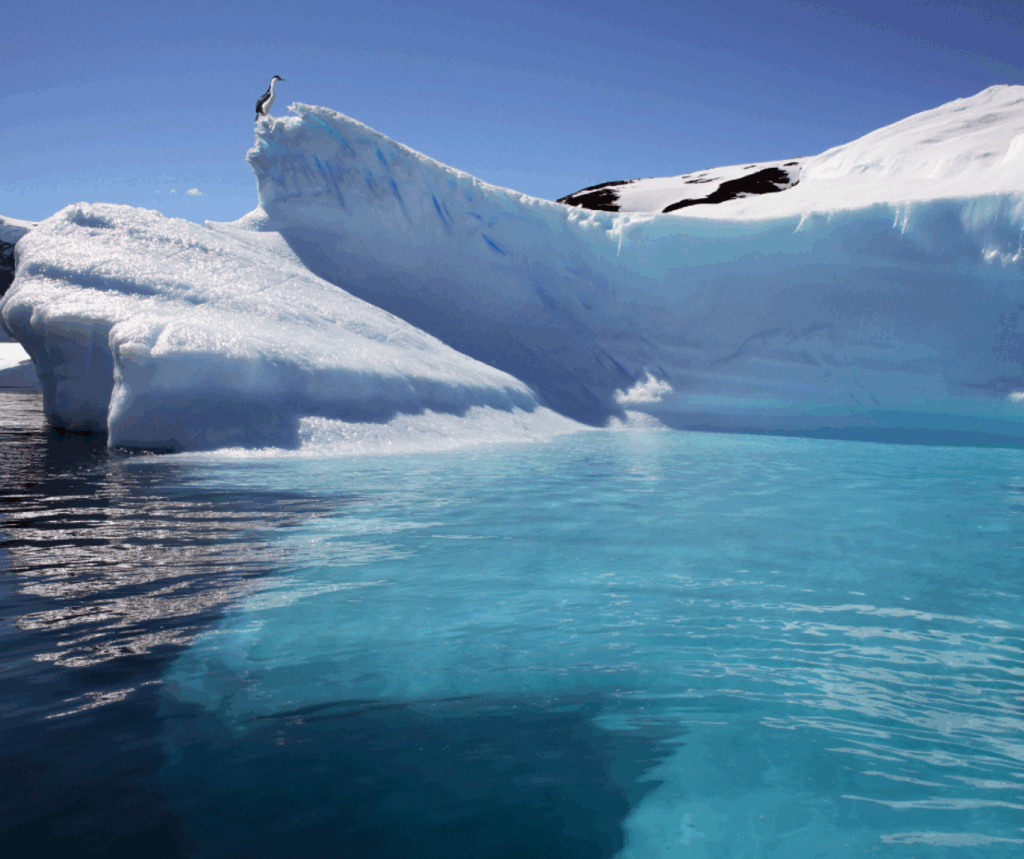
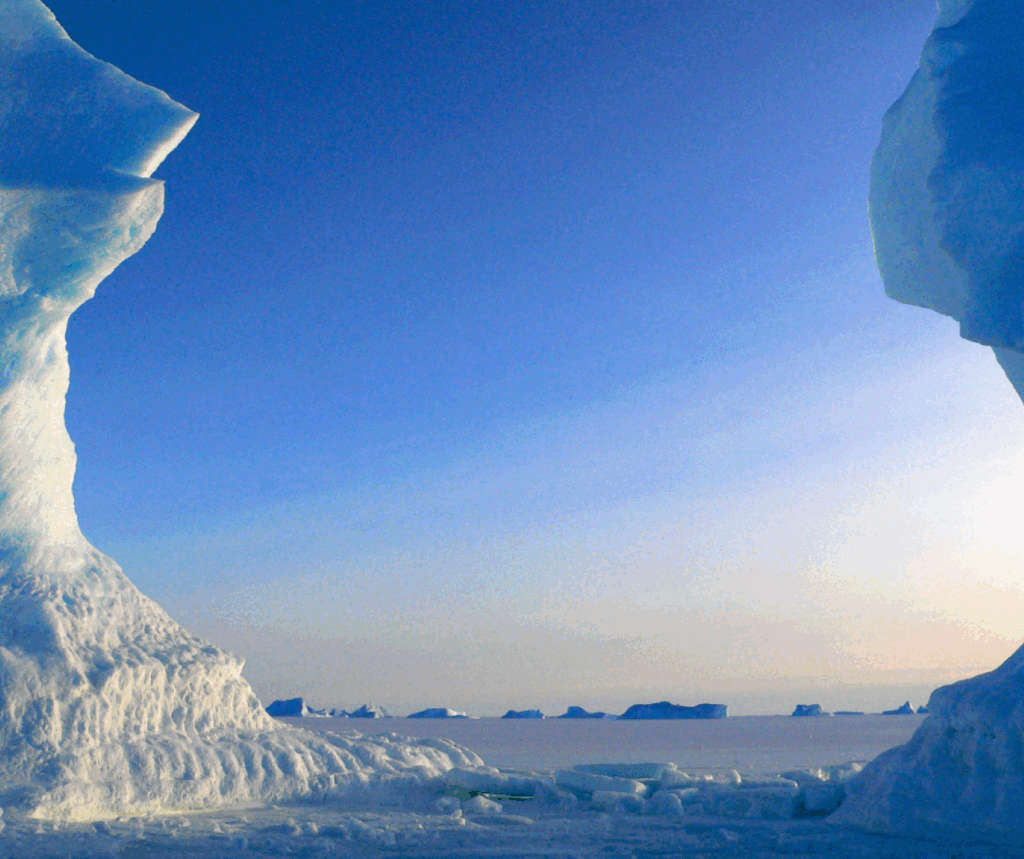
Antarctica Landscape Photography
Witness glaciers calving into electric-blue waters, where icebergs stand sculpted into alien art. On these vast horizons, perspective itself seems to defy logic.
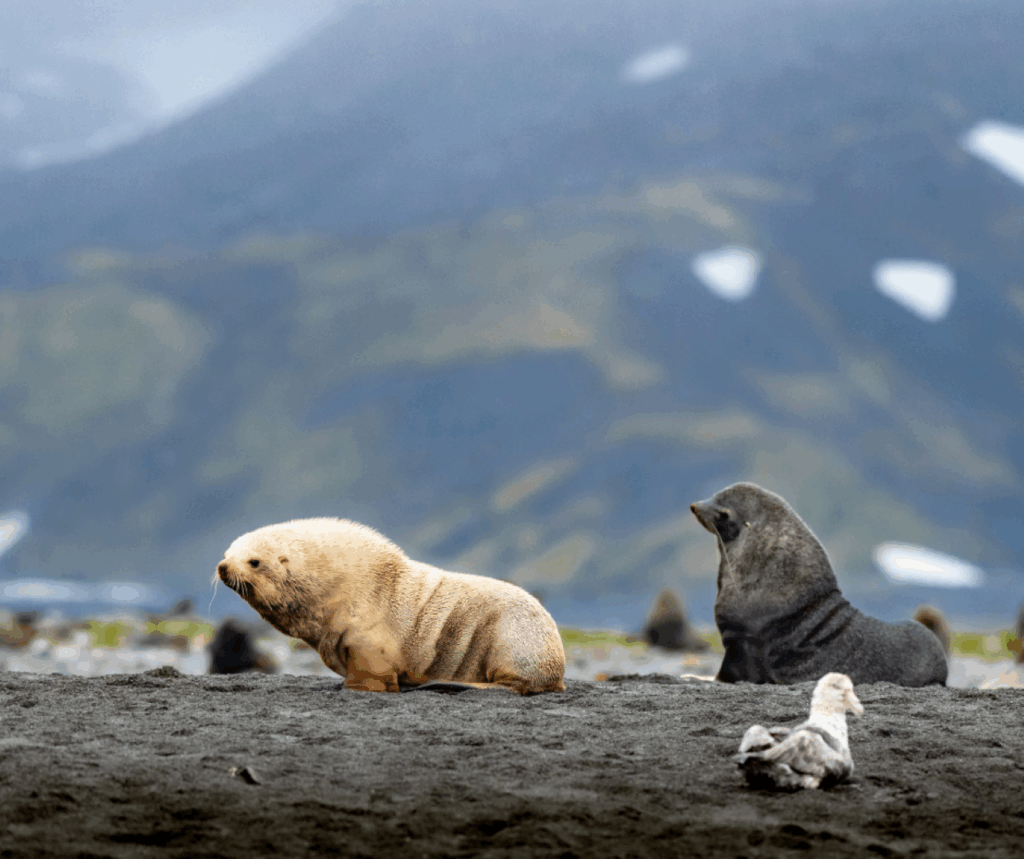
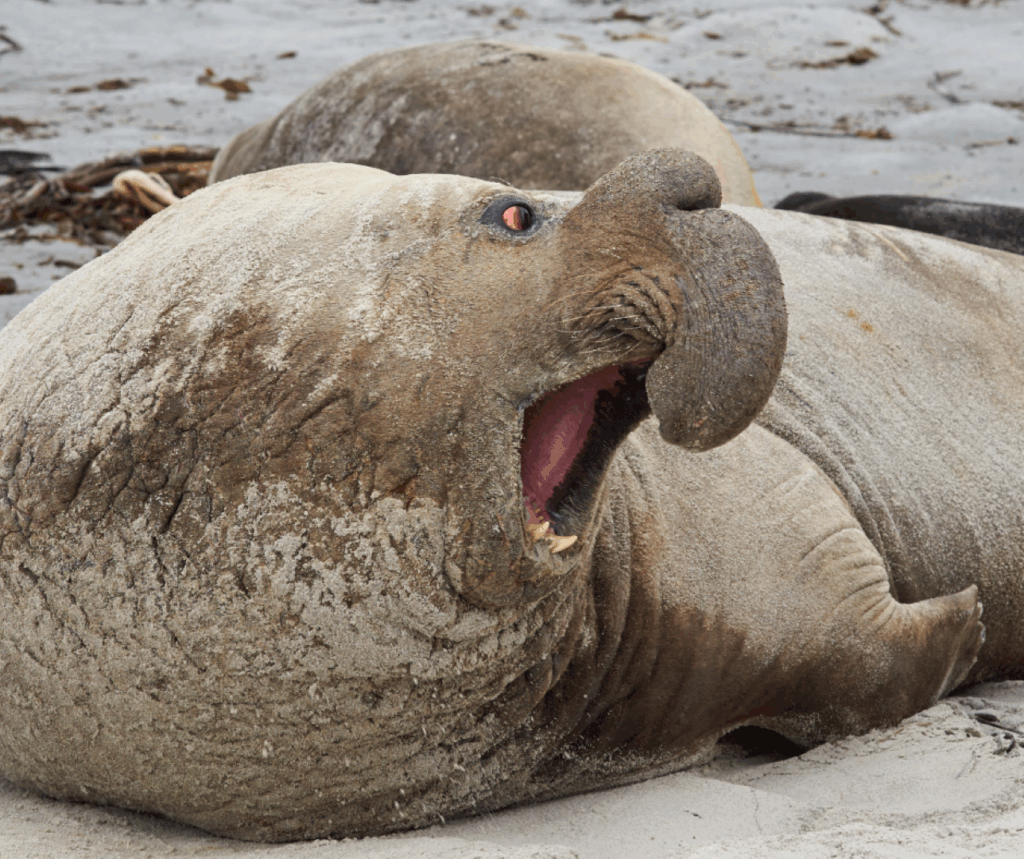
Antarctica Wildlife Photography
Watch as curious penguins waddle toward your lens, while whales breach dramatically as if posing for your shot. For ethical shooting, follow the Visitor Site Guidelines, and never disturb a leopard seal’s Oscar-worthy stare.
Antarctica Light Conditions
The magic begins with the golden midnight sun, transforming into storm-lit drama when weather shifts. At times, the entire sky burns neon pink, creating surreal backdrops for your shots.
Unlock all 7 photo holy grails, including exact GPS coordinates and pro shooting angles, in our full Antarctica photography guide.
Pro Tips Teaser
Gear Essentials
Pack a telephoto lens to capture intimate penguin portraits, and pair it with a wide-angle for iceberg minimalism. Don’t forget: Dry bags are non-negotiable in these conditions.
Composition Style
Isolate your subjects, like a lone kayak dwarfed by a glacier, to create haunting scale. This technique transforms good shots into iconic ones.
Optimal Timing
For penguin chicks, aim for mid-December to mid-February. Prefer softer light? March-April and October-November offer extended twilight hours.
Your Signature Shot? A penguin, tiny against a pink-washed sky, reminding us how small we really are.
Zodiac Photography Secrets
• Stability: Brace elbows on knees (waves will test you)
• Composition: Include part of the zodiac in shots for scale
Shooting Blizzards in Antarctica Without Ruining Gear
• Plastic bag hack: Cut hole for lens, seal around viewfinder.
• Settings: Use f/11, 1/250s to render snow as streaks.
• Post-processing: Boost blues +10% in Lightroom for icy drama.
The Midnight Sun Trick
• With golden hour lasting 6 hours, shoot ‘sunset’ at 1AM for empty decks.
For white balance, set manually to 5500K to avoid orange icebergs.
The Filter They Never Tell You About. Why Use a 6-Stop ND Filter (Not a Polarizer) for Antarctica?
1. While polarizers kill ice reflections by reducing glare, it’s worth noting that in Antarctica, they also dull the magical shimmer of ice and snow, making scenes look flat. However, polarizers remain great elsewhere, just not for icy drama!
2. For truly dramatic effects, long exposure photography shines here. Specifically, a 6-stop ND filter lets you slow down the shutter (even in bright daylight), creating:
3. Ultimately, this approach proves better than a polarizer in Antarctica. Why? Because the continent’s natural soft diffusion already enhances movement and texture, exactly what you want to capture, not glare reduction.
- Silky, misty water from calving glaciers.
- Dreamy, smoothed-out waves around icebergs.
- Ethereal, motion-blurred clouds for moody landscapes.
Love these Antarctica photography tips? Now, imagine shooting them yourself!
When you’re ready to visit a place where icebergs carve the sky and penguins outnumber people, contact us, and receive our Complete Antarctica Photography Guide. Better yet, explore our range of Antarctica expeditions, each carefully crafted to inspire and tailored to match different travel styles.
Remember: We present these photogenic destinations in no particular order because each one delivers equally spectacular photography opportunities.
Your friendly tica,
Grettel Calderón
P.S. My soul is still somewhere near 66°34’S.